Showing posts with label Birds. Show all posts

Saturday, January 11, 2025

Snow day in middle Tennessee

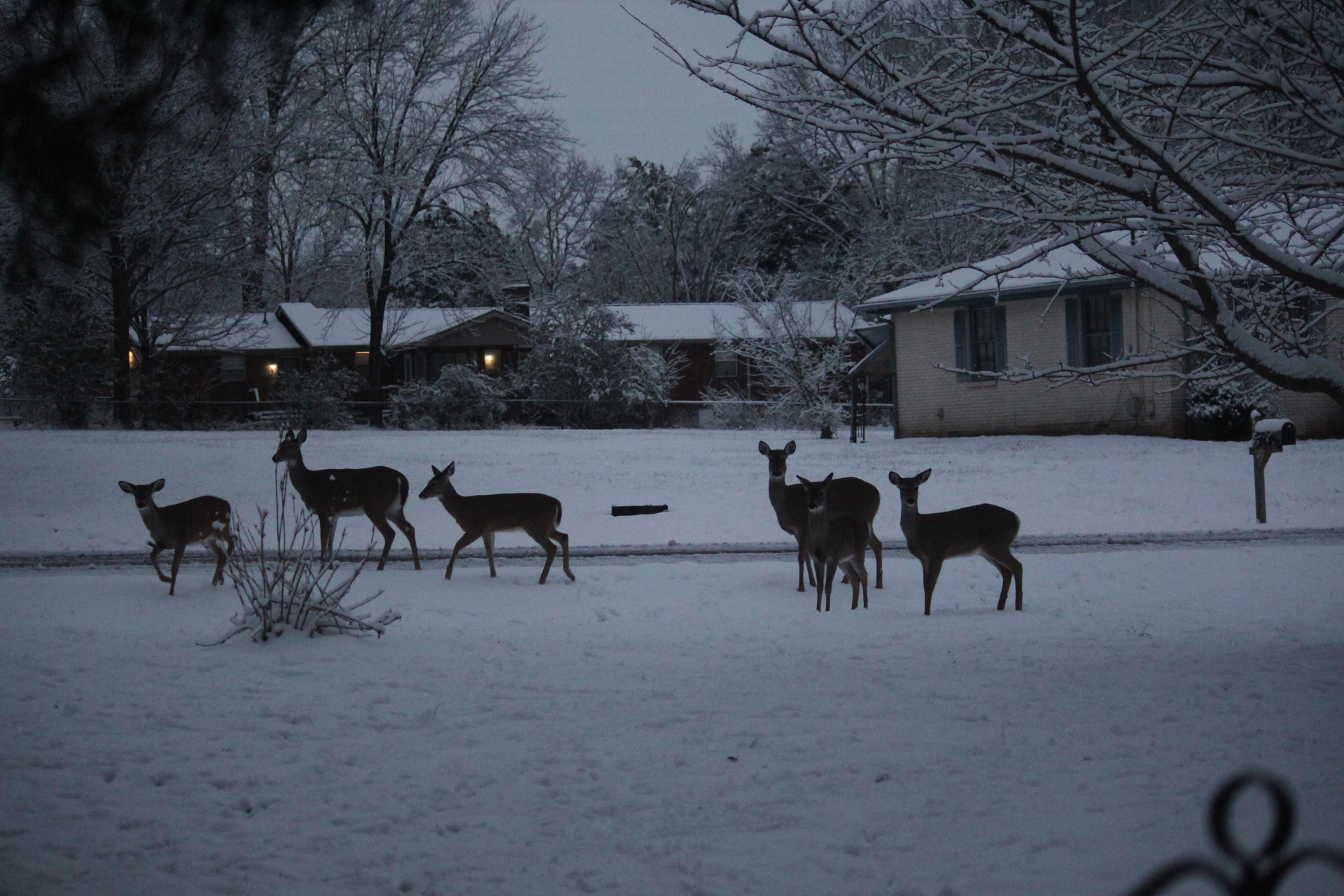
The second weekend of January brings several inches of snow to the south, here in middle Tennessee we received 4 feet, there would have been more but Friday morning between 3:00 am to 7:00 am we were in some kind of bubble and didn’t receive snow like our neighboring cities which were already getting layers of the white stuff.

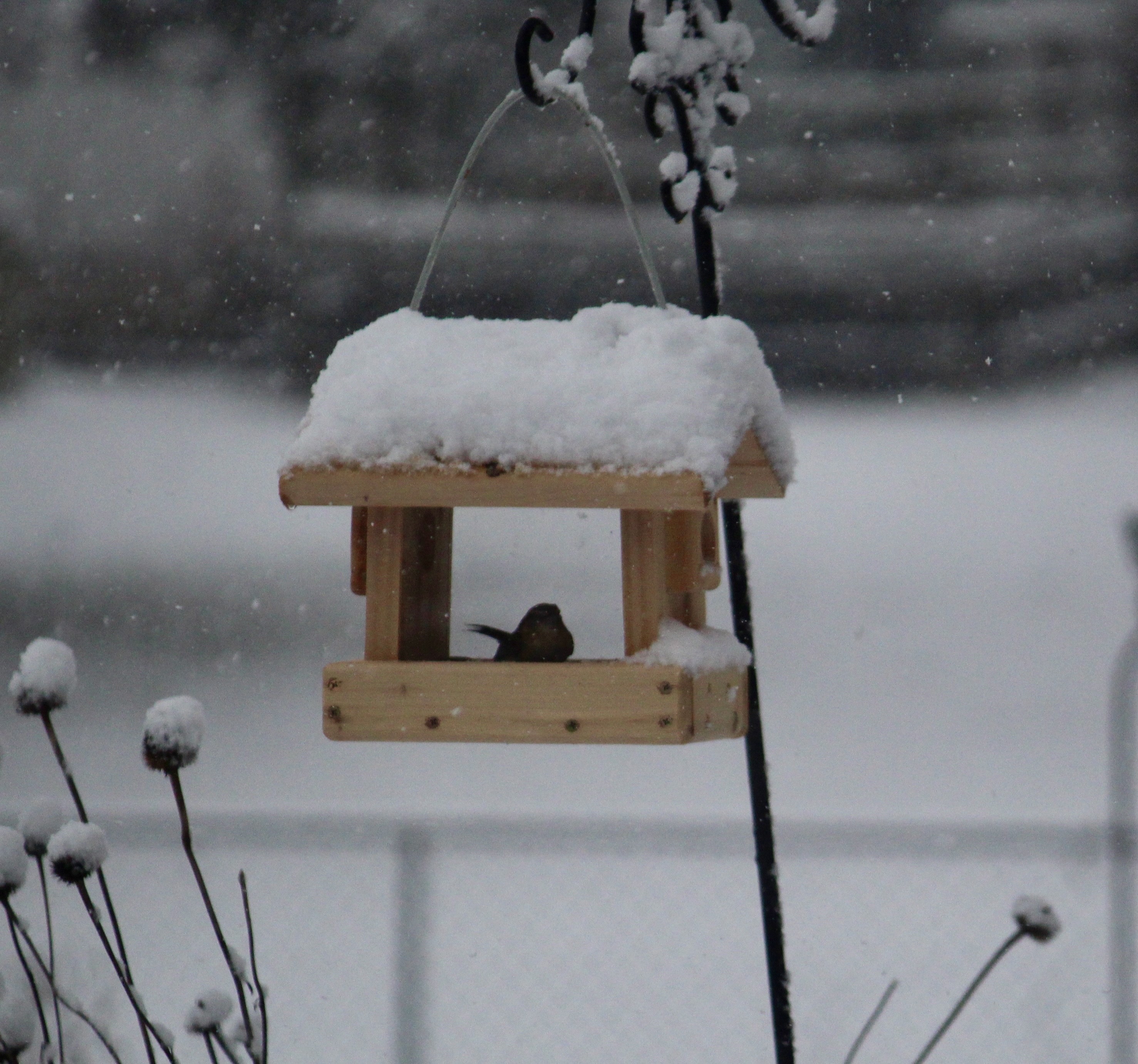
Going to work at 5am that morning, I couldn’t wait to get off at 1:00 pm so I could go home and play in the snow. As soon as I got home the birds were covering the feeders eating as much as they could before the feeders were covered in a white blanket. My dog Daisy went out meeting the snow paws first running as fast as she could playing in the snow, with her toy. 

All in all, it’s been a good weekend 


Sunday, January 7, 2024

Bird-Friendly Gardening: Guidance and Projects for Supporting Birds in Your Landscape


Bird-Friendly Gardening is the definitive guide to planting a wildlife-welcoming home landscape filled with a diversity of native plants that feed, shelter, and support birds. With hundreds of North American bird species facing population decline or at risk of extinction, right now is the perfect time to create a home-based habitat garden that offers birds the resources they need to safely feed, migrate, breed, and thrive. Thankfully, making your outdoor space a secure and comfortable haven for many different bird species isn’t a Herculean task. It’s a matter of understanding the needs of our avian friends and how native plants, combined with purposeful garden design, can help meet those needs. And that’s exactly the know-how you’ll find here, outlined in a simple-to-follow, actionable format by author Jennifer McGuinness.  Step beyond the seed-filled bird feeder and suet block, and learn how to further provide for birds. Some of the topics covered in the book   How to design a bird-centered habitat garden in spaces large and small  Advice on providing fresh water year-round Understanding the connection between native plants and insects and the birds that rely on them How to design and plant a fruit garden, a bird seed garden, a runoff-absorbing rain garden, or even a container garden that nurtures birds Meet dozens of trees, shrubs, and other plants that support the insects almost all adult birds need to feed their young 18 step-by-step garden design projects and plant lists for creating a diversity of bird-friendly spaces Tips for preventing window strikes and cat kills Best practices for including bird feeders, nest boxes, and bird baths in your landscape Whether your “spark bird” was a lightning-fast Ruby-throated Hummingbird, a brilliant Indigo Bunting, or a petite Hammond’s Flycatcher, it’s time to put out the welcome mat for birds in your home garden. YOU can make a significant impact on the lives of thousands of birds, whether they’re just passing through during migration or making a feather-lined summertime home for raising the next generation. It’s time for gardeners from coast to coast to heed the call and welcome their flighty friends home with Bird-Friendly Gardening. 


Bird-Friendly Gardening gives newbies quite a bit to get started, but there is so much more than what this book offers. I was hoping to find more projects for landscaping ideas but there are only a few diagrams of gardening guides and hardly any for small spaces. This book failed to tell readers of the threat of invasive birds such as House Sparrows and Starlings. If you're truly passionate about native birds you must get to know how to control these birds from killing native birds. 

The upside to this book is it covers a lot of native plants to bring into your yard to help keep birds coming for years to come. What most people fail to realize the majority of our American home's landscaping is all Asian plants that offer no benefit to our native birds or pollinators, for that matter, and Yes, your amazing Crape Myrtle is an Asian plant that offers no benefits to our birds.

Another tip I wished this book would have covered. The majority of our major box stores in the US only offer Asian plants, you'll have to research in your area to find places that sell native plants, and some natives carry crazy expensive price tags. Through the years, I have found that my Masters Gardeners offers a yearly native plant sale that I attend and, Etsy is also a great resource to buy native seeds. 

Go and explore a birding world that will amaze you for years to come. 

Thank you, Netgalley for providing this title for review 


Amazon Affiliate link https://amzn.to/4aPdKWR


Thursday, January 6, 2022

Yellow-bellied Sapsucker

 One of many winter resident birds in my yard includes the Yellow-bellied Sapsucker. 


Have you ever noticed a series of small round holes in your fruit trees or other trees in your yard? Well, then you have one of these beauties visiting your yard.

I’ve seen this handy beak work on my fruit trees for years but, I’ve never been able to catch an image of one until this year. About a week ago I caught a glimpse of a different kind of woodpecker at my suet feeder so, I grabbed my camera to take a picture and set out to find out what kind of woodpecker he or she was. To my surprise, I found out she was a Yellow-bellied Sapsucker.


For years I've noticed neat patterns of holes in my old apple tree and other trees but have never been able to attract this type of woodpecker to a birdfeeder or suet feeder until this year and this leads me to wonder if this could be a new female or if the sap is not too great in my tress this year for her to eat. Either way, she is really cool and is welcome to eat what she wants in my yard. 


If you notice small holes in your tress in a set pattern please don't worry about the tree it will live on. My old apple tree has served for many years and so have my other huge trees. 


One cool fact is hummingbirds love the sap that their sapwells leave behind. 


To find out more about these beauties click here https://www.allaboutbirds.org/guide/Yellow-bellied_Sapsucker/overview

Wednesday, January 22, 2020

Book reivew of How Birds Behave: Discover the Mysteries of What Backyard Birds Do 365 Days of the Year Paperback – by Sharon Sorenson

Title: How Birds Behave: Discover the Mysteries of What Backyard Birds Do 365  Days of the Year Paperback 
Autor: Sharon Sorenson
Source: Netgalley
Genre: Bird Fields Guide 
Rating: 4 


A well-documented, beautifully photographed, year-long daily account of what 150 common backyard bird species do and how their behaviors change over the course of a year. Guided by an experienced birder, you'll know what to look for and how to attract and observe birds in your own backyard and by watching and chronicling how they behave, you'll begin to understand them better. You'll see how their actions change season to season, month to month, sometimes day to day. By peeking into their secret lives and unraveling the mysteries of their daily behavior you'll find your bird-viewing pleasure enriched.


This book is really hard for me to review, I was expecting something I just didn't get. As a birder and backyard bird feeder, I really found nothing to help me advance by backyard bird habitat, but I can say the work she put in this book is priceless. 

This lady has spent a lot of time journaling her backyard birds, but not everyone lives in her climate and not everyone has the land that she describes seeing all of the backyard birds she has, so keep this in mind when you are reading. 

I really enjoyed reading her day by day bird count and I love the image she would add each day of a bird most people will never see. I can say I would give anything to live where she is, just to be able to see theses vast bird species she sees, but like normal people, I live in an older subdivision which does give me a bit of land to be able to have backyard birds so I consider myself lucky, but a lot of people don’t have what I have. I was looking for something more in this book, like what bird kind of feed she puts out for the birds, what kind of birdhouses or feeders she uses and I never found it but then I did give up reading when I got to August.

I think I would suggest this book to those that love birds but they live in places where there is wall to wall houses. This book would show them what life can be like on a bit of land. 


Friday, October 18, 2019

Urban Aviary: A modern guide to city birds by Stephen Moss, Marc Martin (Illustrations)


Title: Urban Aviary: A modern guide to city birds 
Author: Stephen Moss, Marc Martin (Illustrations)
Source: Netgalley
Genre: Nature 
Rating: 4 


A unique guide to the unusual and often surprising birds that soar above our cities around the world.

From frigatebirds wheeling over Rio de Janeiro to bowerbirds displaying in the suburbs of Canberra, penguins in Cape Town to pelicans in San Francisco, and huge flocks of starlings roosting around the Colosseum in Rome, the world’s cities are home to a remarkable array of feathered citizens.

Through Stephen Moss’s expert knowledge and insight, Urban Aviary provides a beautiful guide to some of the most extraordinary species of city birds that have become native, including helpful spotting hints and fact boxes for each bird, all of which are brought to life by Marc Martin’s distinctive and beautiful watercolours. 


What a unique way to show urban birds.

You will get a brief description of each bird along with a wonderful watercolor photo. This is a good for both adults and children as you read about each bird you’ll read a brief description of each bird along with a wonderful watercolour of that bird.


Tuesday, September 24, 2019

Goldfinches


Our growth rate in Middle Tennessee is becoming unbearable, we are losing our farmland and forest at a great rate to developers daily, it’s sickening seeing all of the wildlife disappear all to bring traffic, and a horrible smell that now habitats my growing city.

Each year I am seeing more and more pollinators despair, birds, bees, butterflies are hard hit because not only do they lose their homes but they get hit by people using chemicals that will kill them to kill the very insects that birds and other animals that keep away, such as, mosquitoes and ticks along with other unwanted insects

Over the next few months, I want to write to you about each and how they benefit us and hopefully, I can reach out so you too can enjoy our pollinators as much as I do.  
I love my American Goldfinches they have a unique chirp that brings my garden to life. I started feeding them about 10 years ago and boy have they populated. When I first started feeding them I would buy one 10 pound bag of feed a month, now I do good to get by on 40 pounds in a month. I thankful they have populated over the years, it tells me one person can make a difference each year.

Goldfinches are very easy to feed all you have to do is buy a finch feeder and I recommend a metal feeder if you have squirrels because they just eat holes out of the plastic feeders to get to the seeds and some thistle seeds. The finches will eat seeds all the way until September then all the sudden they just quit coming to the feeders this is when they start nesting, they will usually come back to the feeder mid-October to start eating again. When they arrive back the males have changed color and will stay a light gray until spring arrives again. They also love to eat sunflowers, zinnias, and coneflowers seeds. 
You can barely see these beauties on the sunflowers 


My camera refused to focus on this juvenile in the background staring at me after I disturbed his feast on my zinnias. LOL


Goldfinches bring color and a wonderful sound as they sing to anyone garden as they feast. 


To learn more about their care please visit these links 

They do require trees for nesting so make sure you have a few large trees for them. To learn more about nesting click on this link.

You can learn more about them and their song by clicking the link below.